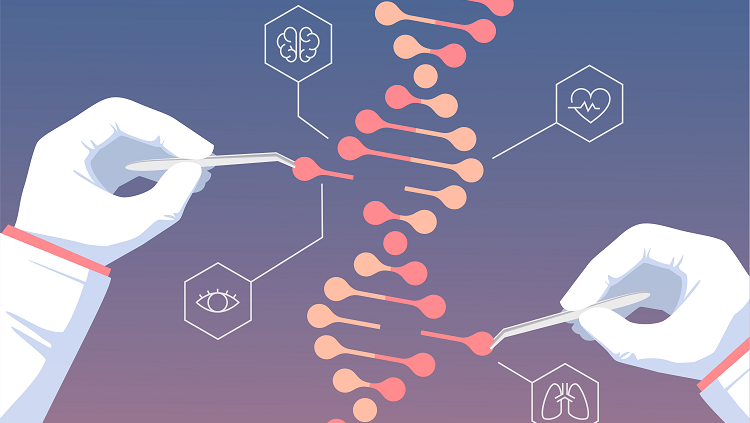
CRISPR gene editing is one of the most transformative scientific advancements of the 21st century. In 2026, this technology is not just a lab experiment—it’s changing lives. From curing genetic diseases to creating drought-resistant crops, CRISPR is unlocking possibilities we once only dreamed of.
1. Medical Breakthroughs with CRISPR
CRISPR is making waves in healthcare:
- Curing genetic disorders: Clinical trials are showing success in treating sickle cell anemia, cystic fibrosis, and even some cancers.
- Personalized medicine: Tailored gene therapies are becoming more accessible, offering hope for rare diseases.
- Ethical debates: The ability to edit human embryos raises questions about designer babies and long-term consequences.
Tip: Follow organizations like CRISPR Therapeutics or Editas Medicine for updates on clinical trials.
2. CRISPR in Agriculture
Farmers and scientists are using CRISPR to combat food insecurity:
- Disease-resistant crops: CRISPR-modified plants can withstand pests and harsh climates.
- Nutrient-enriched foods: Biofortified crops, like vitamin-A-rich rice, are improving global nutrition.
- Sustainability: Reduced need for pesticides and fertilizers benefits the environment.
Tip: Look for CRISPR-modified produce in your grocery store—it may already be on the shelves!
3. Ethical and Regulatory Challenges
As CRISPR advances, so do the ethical dilemmas:
- Human germline editing: Should we alter genes that can be passed to future generations?
- Equity and access: How can we ensure CRISPR benefits everyone, not just the wealthy?
- Regulation: Governments are racing to establish guidelines for safe and ethical use.
Tip: Stay informed about global CRISPR policies through sources like WHO or NIH.
Conclusion: A New Era of Possibilities
CRISPR in 2026 is reshaping science, medicine, and society. While the potential is immense, responsible use and regulation are crucial to harnessing its benefits ethically.