
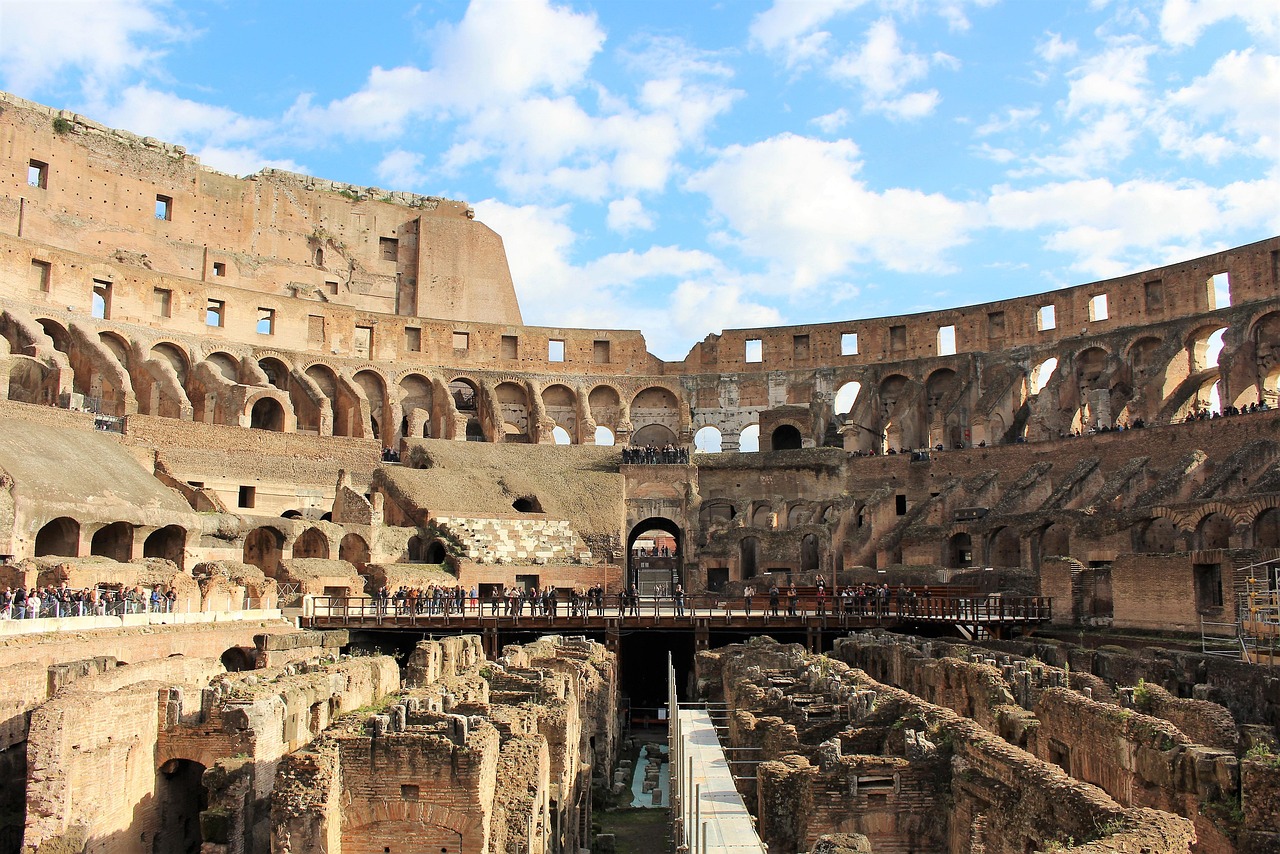
The Roman Empire (27 BCE–476 CE) was one of the most powerful civilizations in history. Its advancements in engineering, law, and governance shaped the modern world.
1. Engineering Marvels
The Romans built roads, aqueducts, and monumental structures like the Colosseum and Pantheon. Their innovations in concrete and arches are still used in construction todayubertrends.com.
Tip: Visit the Pantheon in Rome to see the world’s largest unreinforced concrete dome.
2. Roman Law and Governance
Roman law introduced concepts like “innocent until proven guilty” and influenced modern legal systems. The Twelve Tables were among the first written laws in Western civilizationaccio.com.
Tip: Explore the Roman Forum to walk in the footsteps of ancient lawmakers.
3. The Fall of Rome
The empire’s decline was due to internal strife, economic troubles, and invasions. However, its cultural and legal legacy lived on through the Byzantine Empire and medieval Europefreebeatfit.com.
Tip: Read The History of the Decline and Fall of the Roman Empire by Edward Gibbon for a detailed account.
Conclusion: Rome’s Enduring Legacy
The Roman Empire’s influence is evident in language, law, and infrastructure. Its story is a testament to the rise and fall of great civilizations.