
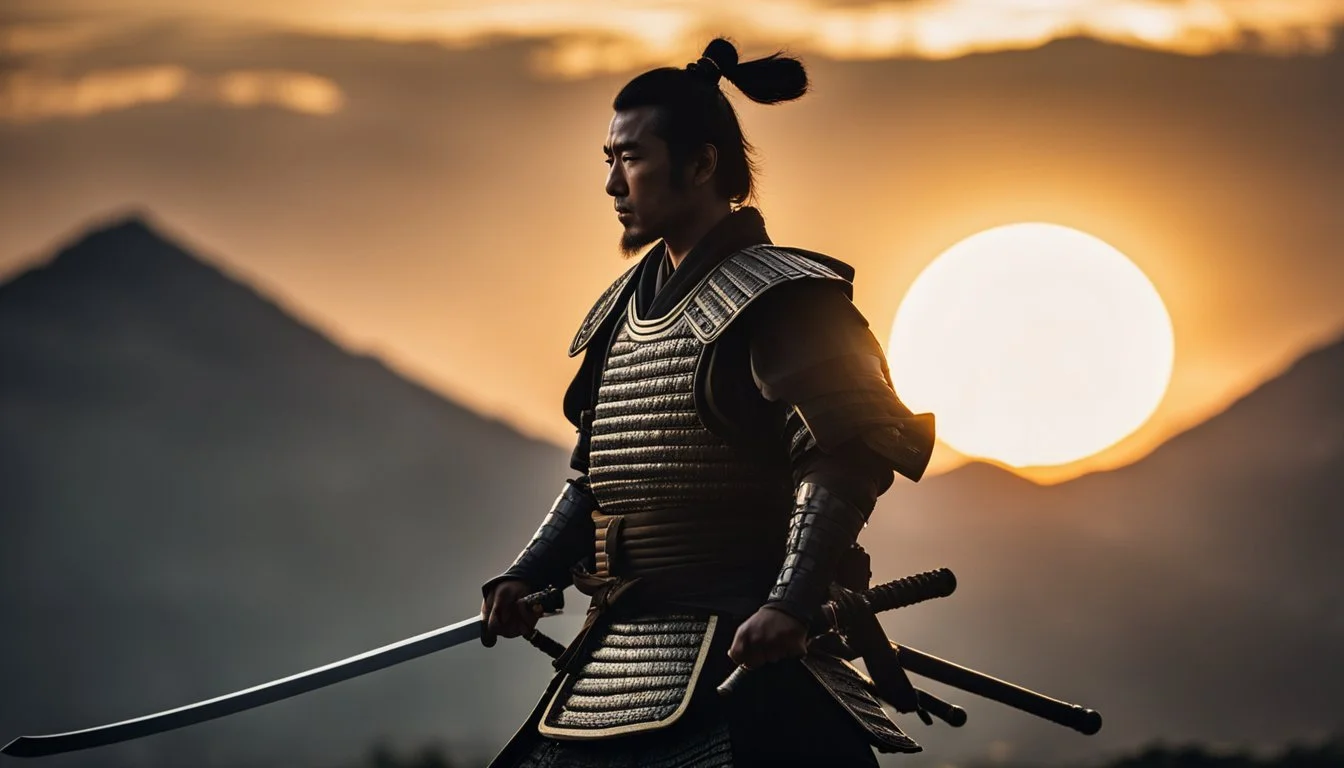
The samurai were more than just warriors—they were the military nobility of Japan, embodying loyalty, discipline, and honor. Emerging in the 12th century, they dominated Japan’s political and social landscape for over 700 years, shaping its culture, ethics, and martial traditions. The Bushido code (“the way of the warrior”) governed their lives, emphasizing loyalty, courage, and self-sacrifice. Even after their abolition in the 19th century, the samurai’s legacy endures in modern Japan, from martial arts to business ethics.
1. Origins and Rise of the Samurai
The samurai class emerged during the Heian period (794–1185) as provincial warriors hired to protect aristocratic landowners. Over time, they gained political power, culminating in the establishment of the shogunate—a military government that ruled Japan for centuries.
- Early Samurai (10th–12th Century):
- The Taira and Minamoto clans were among the first samurai families to rise to prominence.
- They fought in the Genpei War (1180–1185), a civil conflict that led to the establishment of the Kamakura shogunate in 1192.
- The victorious Minamoto no Yoritomo became the first shogun, marking the beginning of samurai political dominance.
- The Kamakura Shogunate (1192–1333):
- The Kamakura shogunate was Japan’s first military government, with the shogun as the de facto ruler and the emperor as a figurehead.
- This period saw the rise of the samurai class as the dominant political and military force in Japan.
- The Mongol invasions (1274 and 1281) tested the samurai’s military prowess, as they repelled Kublai Khan’s forces using tactics and divine winds (kamikaze).
- The Ashikaga Shogunate (1336–1573):
- The Ashikaga shogunate (also called the Muromachi shogunate) saw the samurai class expand into administrators and cultural patrons.
- The Onin War (1467–1477) marked the beginning of the Sengoku (“Warring States”) period, a century of civil conflict that tested the samurai’s loyalty and adaptability.
- Famous samurai like Oda Nobunaga and Toyotomi Hideyoshi emerged during this era, unifying Japan through military conquest and political maneuvering.
Tip: Visit Kamakura’s Tsurugaoka Hachimangu Shrine, where Minamoto no Yoritomo is enshrined as a deity, to explore the early samurai’s spiritual legacy.
2. The Bushido Code: The Way of the Warrior
The Bushido code was the ethical and moral foundation of the samurai. Derived from Zen Buddhism, Confucianism, and Shinto, it emphasized loyalty, honor, and discipline. The Hagakure and Bushido Shoshinshu are among the most famous texts outlining these principles.
- The Seven Virtues of Bushido:
- Gi (Rectitude): Acting with moral integrity and justice.
- Yu (Courage): Bravery in the face of adversity.
- Jin (Benevolence): Compassion and mercy toward others.
- Rei (Respect): Politeness and courtesy in all interactions.
- Makoto (Honesty): Sincerity and truthfulness.
- Meiyo (Honor): Dignity and pride in one’s actions.
- Chugi (Loyalty): Unwavering allegiance to one’s lord.
- Seppuku (Ritual Suicide):
- Seppuku (also called hara-kiri) was a form of honorable suicide performed to avoid capture or atone for failure.
- It involved a ceremonial disembowelment with a short sword (tantō), followed by a decapitation by a second (kaishakunin) to minimize suffering.
- The most famous seppuku was performed by 47 ronin (masterless samurai) in 1702, avenging their lord’s death in the Ako Incident.
- Zen and the Samurai:
- Zen Buddhism influenced the samurai’s mental discipline and acceptance of death.
- The concept of “no-mind” (mushin) allowed samurai to act without hesitation, achieving peak performance in battle.
- Meditation and calligraphy were daily practices to cultivate focus and clarity.
Tip: Read “Hagakure: The Book of the Samurai” by Yamamoto Tsunetomo to understand the Bushido philosophy.
3. Famous Samurai and Legendary Battles
The samurai left an indelible mark on Japanese history through legendary battles and iconic figures. Their tactics, loyalty, and sacrifices have been immortalized in art, literature, and film.
- Minamoto no Yoshitsune (1159–1189):
- A legendary warrior of the Genpei War, Yoshitsune was betrayed by his brother Yoritomo and forced to commit seppuku.
- His tactical brilliance at the Battle of Dan-no-ura (1185) led to the defeat of the Taira clan.
- He is the subject of many plays and legends, including the epic Tale of the Heike.
- Oda Nobunaga (1534–1582):
- Known as the “Demon Daimyo”, Nobunaga was a ruthless but visionary warlord who began the unification of Japan.
- He used firearms (introduced by Portuguese traders) to defeat traditional samurai at the Battle of Nagashino (1575).
- His assassination by a traitorous general (Akechi Mitsuhide) at Honnō-ji Temple in 1582 halted his unification, but his successor Toyotomi Hideyoshi completed it.
- Toyotomi Hideyoshi (1537–1598):
- A peasant-turned-warlord, Hideyoshi completed Nobunaga’s unification and became Japan’s second “Great Unifier.”
- He invaded Korea (1592–1598) in the Imjin War, but his death in 1598 led to a retreat and the rise of the Tokugawa shogunate.
- His legacy includes the construction of Osaka Castle and the unification of Japan’s warring states.
- Tokugawa Ieyasu (1543–1616):
- The founder of the Tokugawa shogunate, Ieyasu defeated his rivals at the Battle of Sekigahara (1600) and established Edo (Tokyo) as his capital.
- His rule brought 250 years of peace (Pax Tokugawa), during which samurai transitioned to administrators.
- He issued the Sakoku Edict (1635), which isolated Japan from foreign influence for over 200 years.
- Miyamoto Musashi (1584–1645):
- A legendary swordsman, Musashi was undefeated in over 60 duels and wrote “The Book of Five Rings”, a treatise on strategy.
- His duel with Sasaki Kojirō on Ganryū Island (1612) is one of Japan’s most famous samurai stories.
- He later became a ronin and a strategist, serving various lords before retiring to write and teach.
Tip: Visit Himeji Castle, a UNESCO site and one of Japan’s best-preserved samurai-era fortresses, to explore the architecture and tactics of the era.
4. The Decline of the Samurai
The samurai class declined with the Meiji Restoration (1868), which modernized Japan and abolished the samurai’s privileges. Many samurai became bureaucrats, police, or businessmen, while others rebelled in the Satsuma Rebellion (1877).
- The Meiji Restoration (1868):
- The Meiji Emperor abolished the samurai class and adopted Western military and political systems.
- The Haitōrei Edict (1876) banned the carrying of swords in public, symbolizing the end of the samurai era.
- Many samurai joined the new imperial army, while others resisted change, leading to rebellions like the Satsuma Rebellion.
- The Satsuma Rebellion (1877):
- Led by Saigō Takamori, the last samurai rebellion was a final stand against the Meiji government’s modernization.
- The Battle of Shiroyama (1877) marked the end of samurai resistance, as Saigō and his 40 remaining samurai made a last suicidal charge against government forces.
- This event was romanticized in films like “The Last Samurai” (2003), though historically inaccurate.
- Legacy in Modern Japan:
- The samurai’s Bushido code influenced modern Japanese culture, from business ethics (kaisha spirit) to martial arts (kendo, judo).
- Samurai films (chanbara) by Akira Kurosawa (e.g., “Seven Samurai”, “Yojimbo”) celebrated their honor and tragedy.
- The samurai sword (katana) remains a symbol of Japanese craftsmanship and is still forged today using traditional methods.
Tip: Watch “Seven Samurai” (1954) to see Kurosawa’s portrayal of samurai honor and sacrifice.
The Spirit of the Samurai
The samurai were more than warriors—they were philosophers, administrators, and cultural icons whose legacy shapes Japan today. Their Bushido code continues to inspire discipline and integrity, while their battles and sacrifices are celebrated in art and literature. Though the samurai class is gone, their spirit endures in modern Japan’s values of loyalty, resilience, and honor.