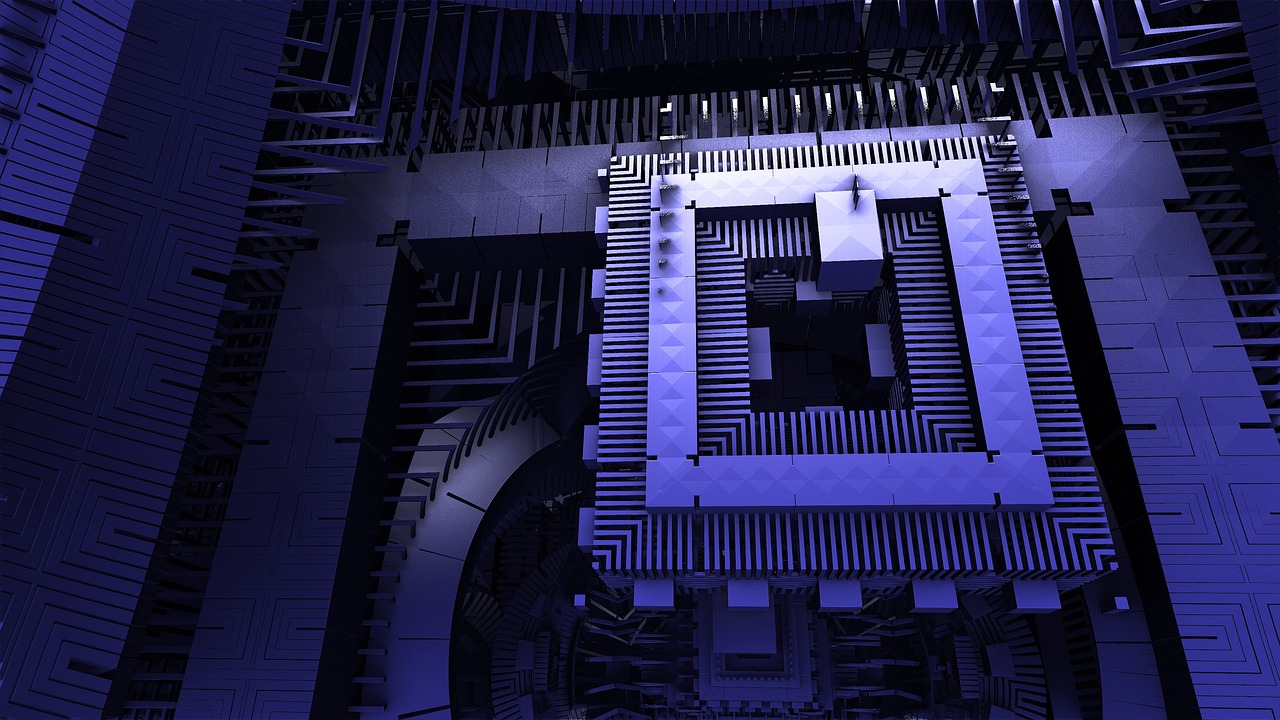
Quantum computing is no longer a futuristic concept—it’s here and evolving rapidly. In 2026, this technology is poised to solve problems that are impossible for classical computers, from cracking encryption to designing new materials. But how does it work, and what does the future hold?
1. How Quantum Computing Works
Unlike traditional computers, which use bits (0s and 1s), quantum computers use qubits, which can exist in multiple states at once thanks to a property called superposition:
- Superposition: Qubits can perform many calculations simultaneously, exponentially increasing processing power.
- Entanglement: Qubits can be linked, allowing for instant data sharing across vast distances.
- Quantum Supremacy: Companies like Google and IBM have already demonstrated tasks that outperform supercomputers, marking a milestone in quantum computingtrendhunter.com.
Tip: Watch introductory videos from IBM Quantum or Google Quantum AI to understand the basics.
2. Real-World Applications of Quantum Computing
Quantum computing is transforming industries in 2026:
- Cryptography: Quantum computers could break current encryption methods, prompting the development of quantum-resistant algorithms.
- Drug Discovery: Quantum simulations can model molecular interactions at an unprecedented scale, speeding up the development of new medicines.
- Climate Modeling: Quantum computing helps optimize renewable energy solutions and simulate climate scenarios to combat global warmingaccio.com.
Tip: Follow companies like IBM, Google, and Rigetti for updates on quantum computing advancements.
3. Challenges and the Road Ahead
Despite its potential, quantum computing faces significant challenges:
- Error Correction: Qubits are highly sensitive to interference, making error correction a major hurdle.
- Scalability: Building large, stable quantum systems is complex and requires breakthroughs in hardware and software.
- Ethical Concerns: Quantum computers could disrupt cybersecurity, requiring new protocols to protect dataubertrends.com.
Tip: Learn about post-quantum cryptography to stay ahead of cybersecurity risks.
Conclusion: A Revolutionary Future
Quantum computing in 2026 is on the cusp of changing everything. As the technology matures, it will unlock solutions to some of the world’s most pressing challenges, from disease treatment to climate change. The key to harnessing its potential lies in collaboration, innovation, and ethical responsibility.