Biometrics—the measurement and analysis of unique physical and behavioral characteristics—has transformed security, healthcare, and daily life. From fingerprint scanning in the 19th century to facial recognition and gait analysis today, biometric technology is ubiquitous, powering everything from smartphone unlocks to airport security.
Yet, as biometrics become more advanced and widespread, they raise profound questions about privacy, surveillance, and ethical use. This post explores the evolution of biometrics, its groundbreaking applications, and the debates shaping its future.
The History of Biometrics: From Bertillon to AI
Biometrics has evolved from manual measurements to AI-powered systems, driven by advances in computing, sensors, and machine learning.
- Early Biometrics (19th Century):
- Alphonse Bertillon (1880s): Developed anthropometry, a system of body measurements (e.g., head length, finger length) to identify criminals.
- Fingerprinting (1890s): Sir Francis Galton standardized fingerprint classification, and Sir Edward Henry developed the Henry Classification System, still used today.
- First Fingerprint Bureau (1901): Scotland Yard adopted fingerprinting for criminal identification.
- 20th Century: Automation and Computers:
- 1960s: FBI’s Automated Fingerprint Identification System (AFIS) digitized fingerprint matching.
- 1990s: Iris recognition (John Daugman’s algorithms) and facial recognition (e.g., Viola-Jones algorithm, 2001) emerged.
- 2000s: Biometric passports (e-passports) with embedded chips became standard (ICAO’s Machine Readable Travel Documents).
- 21st Century: AI and Multimodal Biometrics:
- 2010s: Apple’s Touch ID (2013) and Face ID (2017) brought biometrics to consumer electronics.
- 2020s: Multimodal biometrics (combining face, voice, and gait) and AI-driven liveness detection combat spoofing attacks.
Tip: Visit the International Criminal Police Organization (INTERPOL)’s biometrics exhibits to see how global law enforcement uses fingerprint and facial recognition databases.
How Biometrics Work: The Technology Behind Identification
Biometric systems capture, process, and match unique biological or behavioral traits. Here’s how they function:
- Biometric Modalities:
- Physiological Traits:
- Fingerprint: Ridge patterns (loops, whorls, arches) are scanned and matched (used in 90% of biometric applications).
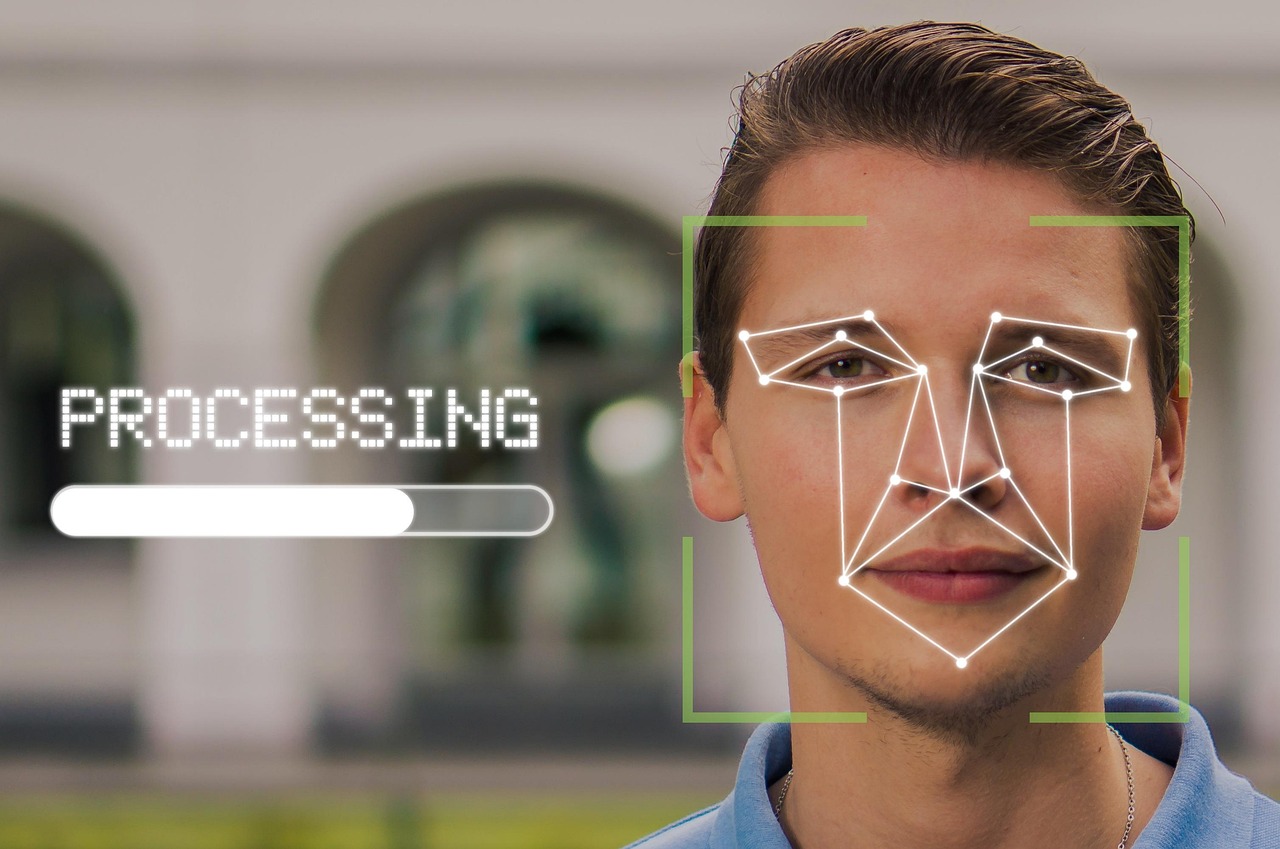
- Face: Facial recognition maps key points (e.g., distance between eyes, nose shape) and compares them to a database.
- Iris/Retina: Unique patterns in the iris or retina are scanned via infrared light (used in high-security applications).
- DNA: Genetic markers provide uniqueness, but slow processing limits real-time use.
- Vein Patterns: Subcutaneous blood vessel patterns (e.g., Fujitsu’s PalmSecure) are hard to spoof.
- Behavioral Traits:
- Voice: Spectral analysis of pitch, tone, and cadence (used in banking and call centers).
- Gait: Walking pattern analysis via pressure sensors or video (e.g., airport security).
- Keystroke Dynamics: Typing rhythm and pressure for continuous authentication.
- Physiological Traits:
- Biometric System Workflow:
- Enrollment: A biometric sample (e.g., fingerprint scan) is captured and stored as a template.
- Feature Extraction: Algorithms identify key features (e.g., minutiae points in fingerprints).
- Matching: The system compares live scans to stored templates using Euclidean distance or neural networks.
- Decision: A match/no-match result is returned based on a threshold score.
- Accuracy and Error Rates:
- False Acceptance Rate (FAR): Probability of incorrectly matching an impostor.
- False Rejection Rate (FRR): Probability of incorrectly rejecting a genuine user.
- Equal Error Rate (EER): The point where FAR = FRR, typically <1% for modern systems.
Tip: Try biometric demo apps (e.g., Microsoft’s Windows Hello) to experience facial and fingerprint recognition in action.
Applications of Biometrics: From Security to Healthcare
Biometrics is transforming industries by enhancing security, personalizing services, and improving efficiency. Here are some of the most impactful applications:
- Law Enforcement and Border Control:
- FBI’s Next Generation Identification (NGI): Fingerprint, palm print, and facial recognition database with >100 million records.
- Airport Biometrics: Clear and TSA PreCheck use facial recognition for touchless security checks (e.g., Dubai International Airport’s “biometric tunnel”).
- Interpol’s Face Recognition System: Helps identify criminals and missing persons across 194 member countries.
- Consumer Electronics:
- Smartphone Unlocking: Apple’s Face ID and Samsung’s Ultrasonic Fingerprint Scanner use 3D depth sensing and ultrasound, respectively.
- Wearables: Fitbit and Apple Watch track heart rate variability (HRV) and ECG for biometric authentication and health monitoring.
- Voice Assistants: Amazon Alexa and Google Assistant use voice biometrics for personalized responses.
- Financial Services:
- Biometric ATMs: Banks in India and Brazil use fingerprint or iris scans to replace PINs.
- Mobile Banking: HSBC and Bank of America use facial and voice recognition for secure logins.
- Fraud Prevention: Mastercard’s “Selfie Pay” verifies online payments via facial recognition.
- Healthcare and Telemedicine:
- Patient Identification: Biometric bracelets in hospitals prevent misidentification and medication errors.
- Remote Monitoring: Wearable ECG and SpO2 sensors (e.g., Apple Watch Series 8) track vital signs for chronic disease management.
- Genomic Biometrics: DNA sequencing for personalized medicine (e.g., 23andMe’s genetic health reports).
- Workplace and Access Control:
- Time and Attendance: Fingerprint or facial recognition replaces time cards (e.g., Kronos systems).
- Smart Offices: Biometric door locks (e.g., August Smart Lock) use fingerprint or facial recognition for secure access.
- Employee Monitoring: Keystroke and gait analysis detect insider threats in high-security environments.
- Education and Exams:
- Proctored Exams: AI-powered facial recognition (e.g., ProctorU, Honorlock) monitors online test-takers for cheating.
- Campus Security: Universities use biometric ID cards for dorm and lab access (e.g., University of Bolton’s facial recognition entry).
Tip: Experience biometric payment with Amazon One (palm recognition) at Amazon Go stores.
Ethical and Privacy Concerns
While biometrics offers convenience and security, it also raises serious ethical and privacy concerns, from mass surveillance to data breaches.
- Mass Surveillance and Authoritarian Use:
- China’s Social Credit System: Uses facial recognition and gait analysis to monitor citizens and enforce compliance.
- Uyghur Tracking: Reports indicate biometric surveillance in Xinjiang targets ethnic minorities.
- Police Abuse: Facial recognition misidentifications have led to wrongful arrests (e.g., Robert Williams case, 2020, Detroit).
- Data Breaches and Biometric Theft:
- Office of Personnel Management Hack (2015): 21.5 million fingerprint records stolen, including U.S. government employees.
- Deepfake Attacks: AI-generated fake biometrics (e.g., voice clones, synthetic fingerprints) can trick systems.
- Irreversible Compromise: Unlike passwords, biometric data cannot be changed if stolen (e.g., fingerprint databases sold on dark web).
- Bias and Discrimination:
- Racial Bias in Facial Recognition: NIST studies show higher error rates for Asian and Black faces (e.g., 10–100x more errors than for white faces).
- Gender Bias: Voice recognition systems perform poorly for women due to training data skewed toward male voices.
- Algorithmic Fairness: IBM and Microsoft are developing bias-mitigation tools for fairer biometric AI.
- Consent and Autonomy:
- Coercive Biometrics: Governments and employers increasingly mandate biometric data collection without informed consent.
- Right to Privacy: GDPR (EU) and CCPA (California) grant users rights to access and delete biometric data.
- Biometric Opt-Outs: San Francisco (2019) and Portland (2021) banned government use of facial recognition due to privacy concerns.
Tip: Read “The Age of Surveillance Capitalism” by Shoshana Zuboff to understand the ethical risks of biometric data exploitation.
The Future of Biometrics: Trends and Innovations
Biometrics is evolving rapidly, with AI, multimodal systems, and ethical frameworks shaping its future. Here’s what’s on the horizon:
- AI-Powered Biometrics:
- 3D Facial Recognition: Apple’s Face ID and iProov’s Flashmark use depth sensing and liveness detection to prevent spoofing.
- Behavioral Biometrics: Typing rhythm, mouse movements, and gait for continuous authentication (e.g., BioCatch’s fraud detection).
- Emotion Recognition: AI analyzes micro-expressions for marketing and security (controversial due to privacy concerns).
- Multimodal and Fusion Biometrics:
- Combining Traits: Face + voice + fingerprint for higher accuracy (e.g., India’s Aadhaar system).
- Vein and Palm Recognition: Fujitsu’s PalmSecure uses subcutaneous vein patterns for high-security access.
- EEG and Brainwave Biometrics: NeuroSky and Emotiv explore brainwave authentication for ultra-secure logins.
- Biometrics in the Metaverse:
- Virtual Identity Verification: Meta (Facebook) and Microsoft use biometrics for avatar authentication in VR/AR worlds.
- Digital Twins: Biometric avatars mirror real-world traits for personalized virtual experiences.
- Haptic Biometrics: Wearable gloves analyze hand movements and pressure for secure metaverse interactions.
- Ethical and Regulatory Frameworks:
- Biometric Bills of Rights: EU’s AI Act (2024) and U.S. Algorithmic Accountability Act aim to regulate biometric AI.
- Biometric Encryption: Homomorphic encryption allows secure biometric matching without storing raw data.
- Decentralized Biometrics: Blockchain-based identity (e.g., Sovrin Network) gives users control over their biometric data.
Tip: Follow Electronic Frontier Foundation (EFF) (eff.org) for updates on biometric privacy laws.
The Double-Edged Sword of Biometric Technology
Biometrics has revolutionized security, healthcare, and daily convenience, but its power comes with profound risks. From facial recognition abuses to data breaches and algorithmic bias, the ethical and privacy challenges are as critical as the technological advancements.
As biometrics becomes more embedded in our lives, the need for transparent, fair, and secure systems grows ever more urgent. The future of biometrics will be shaped not just by technological innovation, but by how we choose to govern its use—balancing convenience with privacy, security with equity, and progress with ethics.