Climate change is one of the most pressing issues of the 21st century. As we move through 2026, the effects of global warming—rising temperatures, extreme weather events, and melting ice caps—are becoming increasingly evident. But what does the science say about climate change, and what can we do to mitigate its impacts?
In this post, we’ll explore the causes of climate change, its current and future impacts, and the cutting-edge solutions being developed to address this global challenge.
1. The Science Behind Climate Change
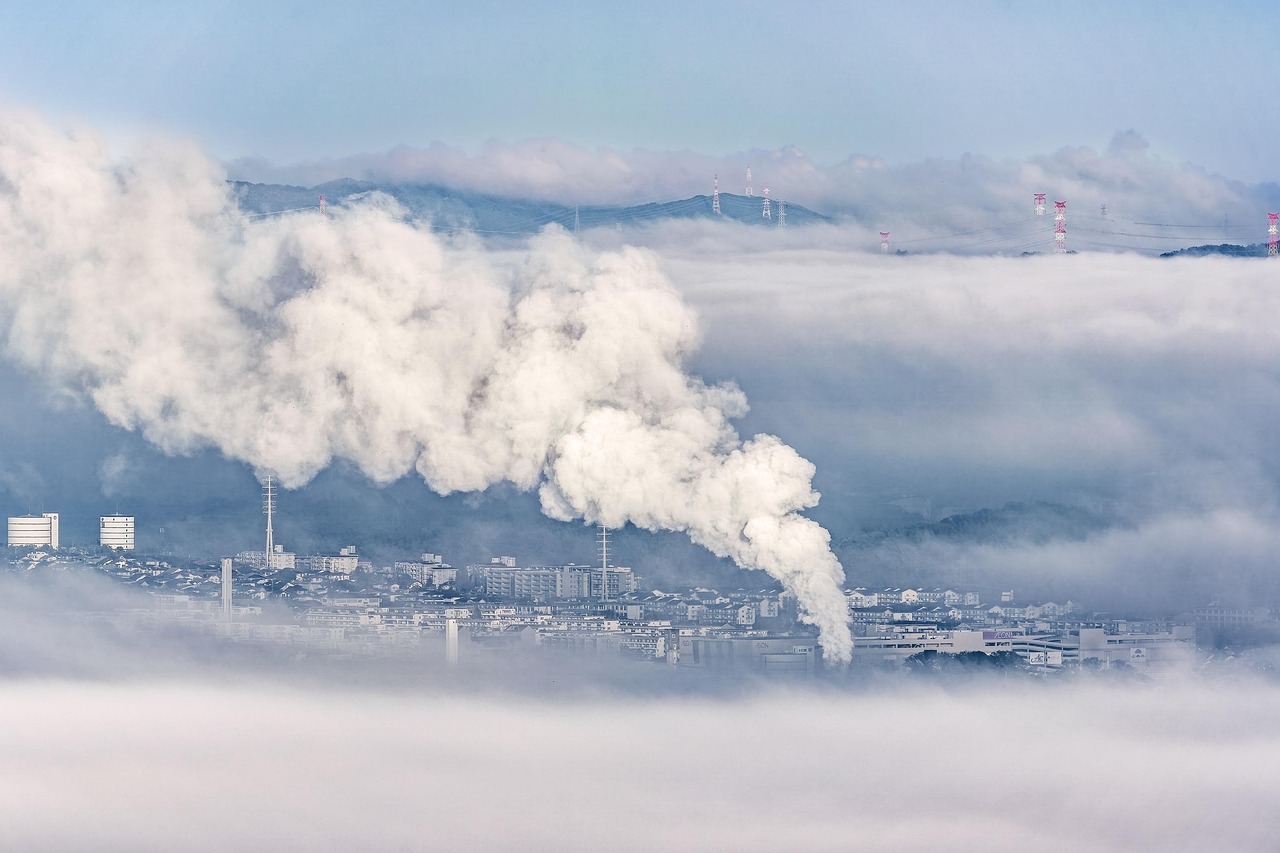
Climate change is driven by the greenhouse effect, a natural process where gases like carbon dioxide (CO₂) and methane trap heat in the Earth’s atmosphere. While this process is essential for life on Earth, human activities—such as burning fossil fuels, deforestation, and industrial agriculture—have intensified the greenhouse effect, leading to global warming.
- Greenhouse Gases (GHGs): CO₂, methane, and nitrous oxide are the primary GHGs contributing to climate change. CO₂, largely emitted by burning fossil fuels, is the most significant driver of global warming.
- The Role of Human Activity: Since the Industrial Revolution, human activities have increased atmospheric CO₂ levels by over 50%, from 280 parts per million (ppm) in the pre-industrial era to over 420 ppm in 2026.
- Feedback Loops: Natural processes, such as melting permafrost releasing methane, can amplify warming, creating a cycle that accelerates climate change.
Tip: Use tools like NASA’s Climate Time Machine to visualize how Earth’s climate has changed over time.
2. Current and Future Impacts of Climate Change
The effects of climate change are already visible and are projected to worsen in the coming decades:
- Rising Temperatures: Global temperatures have risen by 1.2°C since the late 19th century, with 2026 on track to be one of the hottest years on record. This warming is causing heatwaves, droughts, and wildfires to become more frequent and severe.
- Melting Ice and Rising Sea Levels: Polar ice sheets and glaciers are melting at unprecedented rates, contributing to sea level rise. By 2050, sea levels could rise by 0.3 to 1 meter, threatening coastal communities and ecosystems.
- Extreme Weather Events: Hurricanes, floods, and storms are becoming more intense due to warmer ocean temperatures. In 2026, we’ve seen record-breaking storms and flooding in regions like Southeast Asia and the Caribbean.
- Biodiversity Loss: Climate change is disrupting ecosystems, leading to species extinction and habitat loss. Coral reefs, for example, are bleaching at alarming rates due to warming oceans.
Tip: Explore the IPCC Reports for detailed projections on climate impacts.
3. Innovative Solutions to Combat Climate Change
While the challenges are daunting, scientists, engineers, and policymakers are developing groundbreaking solutions to mitigate climate change:
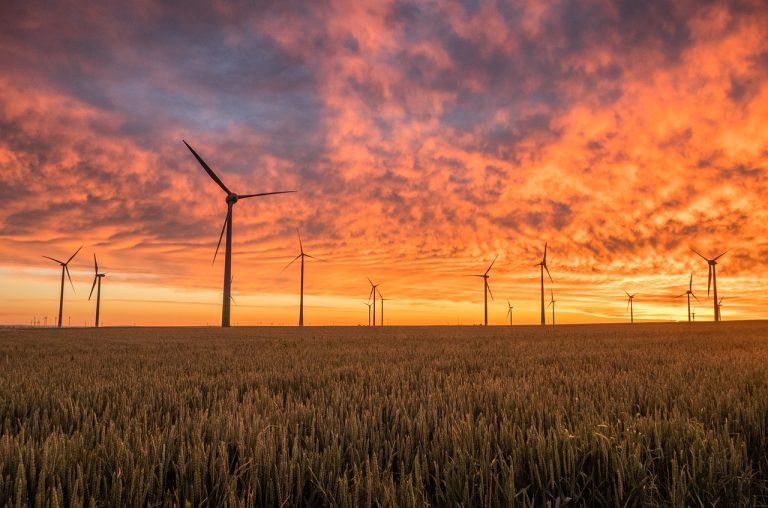
- Renewable Energy: Solar, wind, and hydroelectric power are replacing fossil fuels at an unprecedented rate. In 2026, renewable energy accounts for over 40% of global electricity generation, a significant increase from just a decade ago.
- Carbon Capture and Storage (CCS): Technologies like direct air capture (DAC) are being deployed to remove CO₂ from the atmosphere and store it underground or repurpose it for industrial use.
- Reforestation and Afforestation: Planting trees and restoring forests can absorb CO₂ and restore biodiversity. Initiatives like the Great Green Wall in Africa and Trillion Trees Campaign are making progress in this area.
- Climate Policy and International Agreements: The Paris Agreement, signed by nearly 200 countries, aims to limit global warming to 1.5°C. In 2026, countries are ramping up their Nationally Determined Contributions (NDCs) to meet this goal.
- Sustainable Agriculture: Innovations like vertical farming, lab-grown meat, and regenerative agriculture are reducing the environmental impact of food production.
Tip: Support companies and policies that prioritize sustainability and carbon neutrality.
4. What You Can Do to Help
While systemic change is essential, individual actions also play a crucial role in combating climate change:
- Reduce Your Carbon Footprint: Use public transportation, bike, or walk instead of driving. Opt for electric vehicles if possible.
- Conserve Energy: Switch to LED lighting, unplug devices when not in use, and invest in energy-efficient appliances.
- Eat Sustainably: Reduce meat consumption, especially beef, and choose locally sourced, plant-based foods.
- Advocate for Change: Support policies and leaders who prioritize climate action. Vote, protest, and use your voice to demand systemic change.
- Educate Yourself and Others: Stay informed about climate science and share accurate information with your community.
Tip: Calculate your carbon footprint using tools like the Carbon Footprint Calculator and set goals to reduce it.
Conclusion: A Call to Action
Climate change is a global crisis, but it’s also an opportunity to rethink how we live, work, and interact with our planet. The science is clear: we must act now to mitigate the worst effects of climate change. By embracing innovative solutions, advocating for policy changes, and making sustainable choices, we can create a healthier, more resilient future for generations to come.