
The lines between work and home are more blurred than ever. Enter third-space living: the practice of spending time in places that are neither home nor work, but somewhere in between. These spaces—like cafes, parks, or community centers—offer a neutral zone to socialize, unwind, and spark creativity. Research shows that third spaces help reduce stress, foster community, and even boost productivity.
If you’re feeling stuck in the same routine, it’s time to explore the power of third spaces.
1. What Is a Third Space?
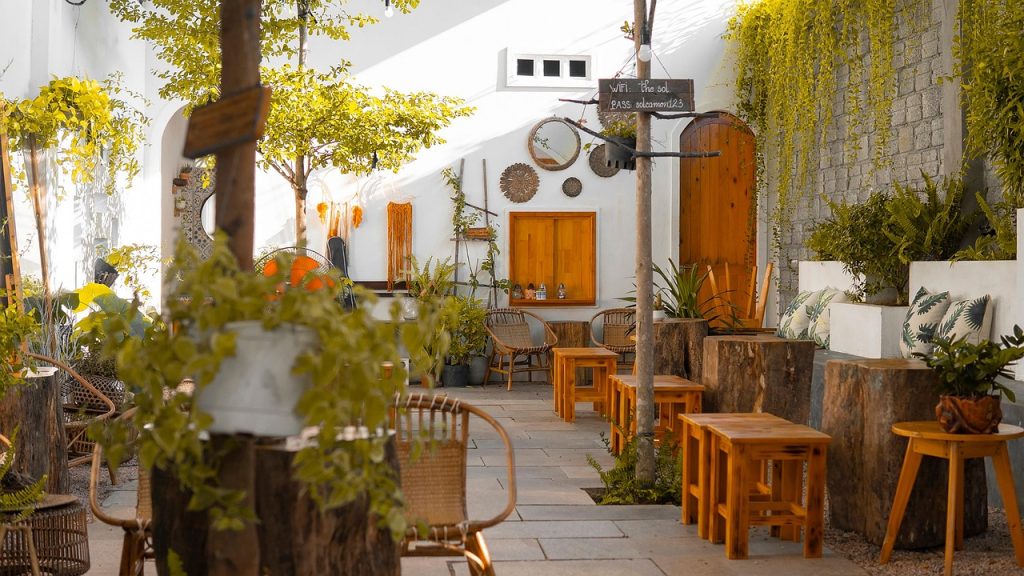
A third space is any environment where you can relax, connect, or work outside of your usual settings. Unlike home (first space) or the office (second space), third spaces are informal, flexible, and open to everyone. They provide a break from isolation and the pressures of daily life, allowing you to recharge and gain fresh perspectives.
Examples of third spaces:
- Cafes and bookstores
- Public libraries and co-working hubs
- Parks, gardens, and outdoor plazas
- Community centers and hobby clubs
2. The Benefits of Third-Space Living
Third spaces offer more than just a change of scenery. Here’s why they’re essential in 2026:
- Boost creativity: New environments stimulate ideas and problem-solving.
- Foster connection: Casual interactions with others can lead to friendships, collaborations, and a sense of belonging.
- Improve mental well-being: Stepping away from your usual routine reduces stress and prevents burnout.
- Enhance productivity: A fresh setting can help you focus and stay motivated.
3. How to Find Your Ideal Third Space
Not all third spaces are created equal. To find the right one for you:
- Identify your needs: Do you want a quiet spot to read, a lively place to socialize, or a creative environment to brainstorm?
- Explore local options: Visit different cafes, libraries, or co-working spaces to see what feels right.
- Consider accessibility: Choose a location that’s easy to get to and fits your schedule.
Tip: Look for spaces with free Wi-Fi, comfortable seating, and a welcoming atmosphere.
4. Making the Most of Your Third Space
Once you’ve found your spot, use it intentionally:
- Set a routine: Designate specific days or times for third-space visits.
- Unplug when possible: Use the time to disconnect from screens and engage with your surroundings.
- Bring a hobby: Sketch, journal, or read something unrelated to work.
- Strike up conversations: Third spaces are perfect for meeting new people and expanding your network.
5. Creating Your Own Third Space at Home
If you can’t always go out, you can designate a third space within your home:
- Set up a cozy nook: A corner with a comfortable chair, good lighting, and inspiring decor.
- Keep it tech-free: Use this area for analog activities like reading, crafting, or meditating.
- Invite others over: Host a book club, game night, or casual gathering to bring the third-space vibe indoors.
6. Third Spaces for Digital Nomads and Remote Workers
For those who work remotely, third spaces are a game-changer:
- Co-working spaces: Offer structure, networking opportunities, and a sense of community.
- Hotels and lounges: Many now offer day passes for remote workers.
- Outdoor workspaces: Parks with Wi-Fi or beachside cafes can make work feel like a retreat.
Tip: Rotate between different third spaces to keep your routine fresh and inspiring.
Conclusion: Embrace the Third-Space Lifestyle
Third-space living is about breaking free from the confines of home and work to explore, connect, and thrive. Whether you’re sipping coffee at a local café or sketching in a park, these spaces can transform your daily life.