The Olympic Games are the world’s foremost sporting event, bringing together athletes from over 200 nations to compete in a spirit of excellence, friendship, and respect. But the Olympics are more than just a competition—they are a cultural phenomenon with roots stretching back over 3,000 years.
In this post, we’ll journey through the history of the Olympic Games, from their ancient origins to the modern era, highlighting key moments, controversies, and the enduring legacy of this global celebration of human potential.
1. The Ancient Olympic Games: Birth of a Tradition
The Olympic Games began in 776 BCE in Olympia, Greece, as part of a religious festival honoring Zeus, the king of the Greek gods. Held every four years (an “Olympiad”), the games were a celebration of physical prowess, art, and culture.
- Origins and Mythology:
- According to legend, the Olympics were founded by Heracles (Hercules), one of Zeus’s sons. The first recorded winner was Koroibos of Elis, a cook who won the stadion race (a 192-meter footrace).
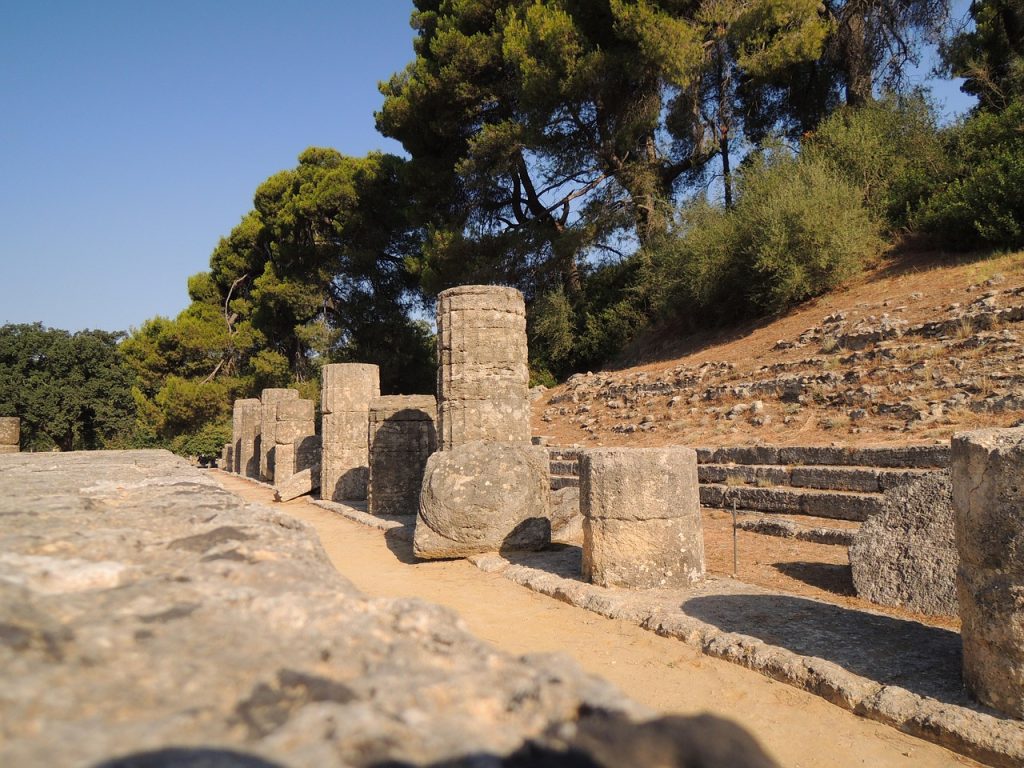
- The games were held in the sanctuary of Olympia, which included temples, altars, and the famous Statue of Zeus, one of the Seven Wonders of the Ancient World.
Tip: Visit the Archaeological Site of Olympia in Greece to see the ruins of the ancient stadium and temples.
- Events and Athletes:
- Early Olympics featured foot races, long jump, shot put, javelin, boxing, wrestling, and chariot racing. Later, events like the pankration (a brutal mix of boxing and wrestling) were added.
- Athletes competed nude, a tradition meant to celebrate the human body and ensure fairness (no hidden weights or weapons).
- Winners received an olive wreath (kotinos) and eternal glory. Victors were celebrated as heroes in their home cities, often receiving lifelong pensions and statues in their honor.
Tip: Read The Ancient Olympic Games by Judith Swaddling for a detailed account of the original Olympics.
- Cultural Significance:
- The Olympics were part of the Panhellenic Games, which included other major festivals like the Pythian, Nemean, and Isthmian Games.
- A sacred truce (Ekecheiria) was declared before each Olympics, allowing athletes and spectators to travel safely to Olympia. Wars were paused, and legal disputes were set aside.
- The games were open only to freeborn Greek men. Women were barred from competing (though they could own chariot teams) and married women were even forbidden from attending as spectators.
Tip: Explore the museums in Olympia to see artifacts like ancient discuses, javelins, and victory wreaths.
- Decline and End:
- The Olympics continued for nearly 1,200 years, but their importance waned as Rome’s influence grew and Christianity spread.
- In 393 CE, Roman Emperor Theodosius I banned the Olympics as part of his efforts to suppress pagan traditions. The games were not revived for over 1,500 years.
Tip: Learn about the ancient Greek training methods and how they compare to modern athletic preparation.
2. The Revival of the Modern Olympics
The modern Olympic Games were reborn in 1896, thanks to the vision of Pierre de Coubertin, a French educator who believed sport could promote peace and international understanding.
- The First Modern Olympics (1896):
- Held in Athens, Greece, the 1896 Games featured 280 athletes from 13 countries competing in 43 events, including track and field, gymnastics, swimming, and wrestling.
- Highlights included Spyridon Louis, a Greek water carrier who won the marathon, and James Connolly, the first modern Olympic champion (triple jump).
- The Games were a success, though marred by organizational challenges and limited female participation (women were not allowed to compete).
Tip: Visit the Panathenaic Stadium in Athens, where the 1896 Olympics were held.
- The Olympic Movement Grows:
- The International Olympic Committee (IOC) was founded in 1894 to oversee the Games. The IOC’s mission is to promote Olympism, a philosophy that blends sport, culture, and education.
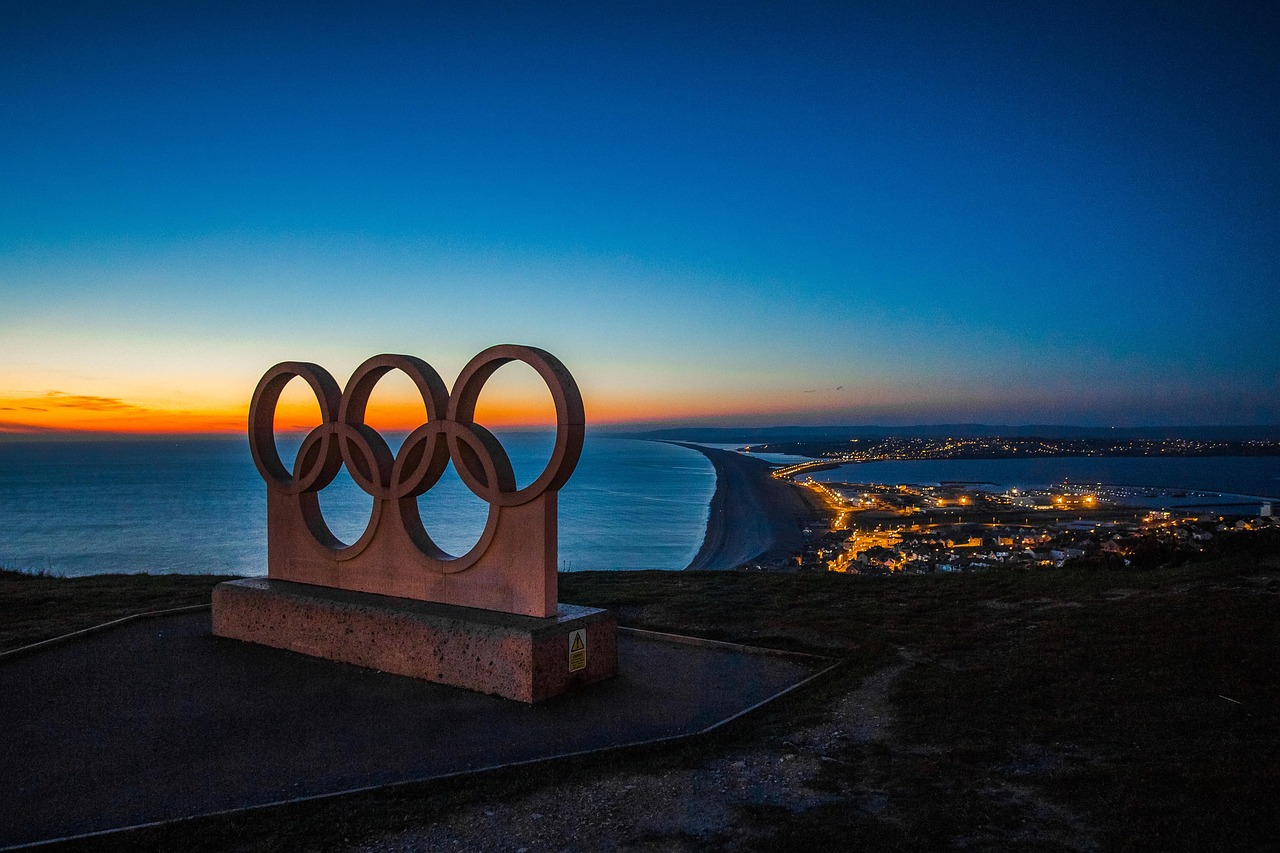
- The Olympic flag, designed by Coubertin in 1914, features five interlocked rings representing the unity of the five inhabited continents (Africa, Americas, Asia, Europe, Oceania).
- The Olympic motto, “Citius, Altius, Fortius” (Faster, Higher, Stronger), was adopted in 1894. In 2021, the IOC added “Communiter” (Together) to emphasize unity.
Tip: Learn about the Olympic values—excellence, friendship, and respect—and how they apply to sports and life.
- The Winter Olympics:
- The first Winter Olympic Games were held in 1924 in Chamonix, France, featuring events like skiing, ice hockey, and figure skating.
- Winter sports have since expanded to include snowboarding, freestyle skiing, and curling, with athletes pushing the boundaries of speed, skill, and creativity.
Tip: Watch The First Winter Olympics documentary to learn about the origins of the Winter Games.
3. Key Moments in Olympic History
The Olympics have been the stage for unforgettable performances, political statements, and cultural milestones. Here are some of the most significant moments:
- Jesse Owens (1936 Berlin Olympics):
- Owens, an African American track and field athlete, won four gold medals (100m, 200m, long jump, 4x100m relay) in Nazi Germany, defying Adolf Hitler’s Aryan supremacy ideology.
- His victories were a powerful statement against racism and remain one of the most iconic moments in Olympic history.
Tip: Watch the film Race (2016) to learn more about Jesse Owens’ story.
- The Miracle on Ice (1980 Lake Placid Olympics):
- The U.S. men’s ice hockey team, composed of amateur and college players, defeated the dominant Soviet Union team 4–3 in the semifinal.
- The U.S. went on to win gold, and the victory became a symbol of Cold War tensions and underdog triumphs.
Tip: Rewatch the Miracle (2004) movie for a dramatic retelling of this historic upset.
- Nadia Comăneci’s Perfect 10 (1976 Montreal Olympics):
- At just 14 years old, Romanian gymnast Nadia Comăneci became the first gymnast to score a perfect 10.0 in Olympic history. She earned seven 10s and three gold medals, revolutionizing the sport.
- Her performance set a new standard for artistry and precision in gymnastics.
Tip: Watch footage of Nadia’s routines to appreciate her grace and technical mastery.
- The Dream Team (1992 Barcelona Olympics):
- The U.S. men’s basketball team, featuring NBA superstars like Michael Jordan, Magic Johnson, and Larry Bird, dominated the competition, winning gold by an average of 44 points per game.
- Their performance globalized basketball and inspired a generation of players worldwide.
Tip: Relive the Dream Team’s games on YouTube to see basketball at its finest.
- Usain Bolt’s Triple-Triple (2008–2016 Olympics):
- Jamaican sprinter Usain Bolt became the first athlete to win three gold medals in the 100m, 200m, and 4x100m relay in three consecutive Olympics (2008, 2012, 2016).
- His charisma and record-breaking speeds (9.58 seconds in the 100m) made him a global icon and one of the greatest Olympians of all time.
Tip: Watch Bolt’s 2008 Beijing 100m final to witness his historic world record.
- Simone Biles (2016–2021 Olympics):
- American gymnast Simone Biles is the most decorated gymnast in history, with 32 Olympic and World Championship medals.
- Her innovative skills (e.g., the Biles II on floor, a triple-double) and advocacy for mental health have redefined gymnastics and inspired athletes worldwide.
Tip: Follow Simone’s journey in her autobiography, Courage to Soar.
4. Controversies and Challenges
The Olympics have not been without controversy, scandal, and political interference. These challenges have shaped the Games and sparked important conversations:
- Boycotts and Political Protests:
- 1936 Berlin Olympics: Held under Nazi rule, the Games were used as propaganda to promote Aryan supremacy. Jesse Owens’ victories undermined this narrative.
- 1968 Mexico City Olympics: American sprinters Tommie Smith and John Carlos raised their fists in a Black Power salute during the medal ceremony, protesting racial inequality. Their act remains a powerful symbol of athletic activism.
- 1980 and 1984 Boycotts: The U.S. led a boycott of the 1980 Moscow Olympics in protest of the Soviet invasion of Afghanistan. The USSR retaliated by boycotting the 1984 Los Angeles Olympics.
Tip: Learn about the history of Olympic protests and their impact on social justice movements.
- Doping Scandals:
- Ben Johnson (1988 Seoul Olympics): The Canadian sprinter won the 100m gold but was stripped of his medal after testing positive for steroids. His scandal led to stricter anti-doping measures.
- Russian Doping Scandal (2014–2016): A state-sponsored doping program resulted in Russia’s ban from the 2018 Winter Olympics and ongoing sanctions. The scandal highlighted the need for transparency and fairness in sports.
- WADA and Anti-Doping Efforts: The World Anti-Doping Agency (WADA) works to ensure clean competition through testing, education, and research.
Tip: Support clean sport initiatives and educate yourself on the dangers of doping.
- Judging Controversies:
- 2002 Winter Olympics Figure Skating: A judging scandal led to dual gold medals for Canada’s Jamie Salé and David Pelletier and Russia’s Elena Berezhnaya and Anton Sikharulidze in pairs figure skating.
- 2020 Tokyo Olympics Gymnastics: The scoring of Simone Biles’ vault sparked debates about fairness and the difficulty of judging subjective sports.
Tip: Advocate for transparent judging systems in sports to ensure fairness.
- Host City Challenges:
- Financial Burdens: Hosting the Olympics often leads to cost overruns and debt. For example, Montreal’s 1976 Games took 30 years to pay off, and Athens 2004 contributed to Greece’s financial crisis.
- Abandoned Venues: Many Olympic venues fall into disuse after the Games. Rio 2016’s abandoned stadiums serve as a cautionary tale for future host cities.
- Sustainability Efforts: Recent Games (e.g., Tokyo 2020, Paris 2024) emphasize eco-friendly venues, recycled materials, and legacy planning to avoid waste and debt.
Tip: Support sustainable Olympic bids that prioritize long-term benefits for host cities.
5. The Olympics and Social Change
The Olympics have been a platform for social progress, from gender equality to environmental sustainability:
- Women in the Olympics:
- Women were excluded from the ancient Olympics and had limited participation in the early modern Games.
- Charlotte Cooper (tennis, 1900) was the first female Olympic champion.
- Title IX (1972) in the U.S. led to greater opportunities for women in sports, resulting in more female Olympians.
- Today, the Olympics are close to gender parity, with nearly equal numbers of male and female athletes competing.
Tip: Celebrate female Olympians by learning about pioneers like Fanny Blankers-Koen and Wilma Rudolph.
- Paralympic Games:
- Founded in 1948 by Sir Ludwig Guttmann, the Paralympics provide a platform for athletes with disabilities to compete at the highest level.
- The Games have grown to include thousands of athletes in sports like wheelchair basketball, para-athletics, and sitting volleyball.
- Paralympians like Tatyana McFadden (wheelchair racing) and Jonnie Peacock (para-athletics) have become global icons, inspiring millions.
Tip: Watch the Paralympics to appreciate the skill and determination of these incredible athletes.
- Refugee Olympic Team:
- Introduced in 2016, the Refugee Olympic Team allows athletes who have been displaced by conflict or persecution to compete under the Olympic flag.
- The team highlights the global refugee crisis and provides hope for displaced athletes.
- Yusra Mardini, a Syrian swimmer who helped save refugees at sea, became a symbol of resilience and courage at the 2016 Rio Games.
Tip: Support organizations that help refugee athletes pursue their dreams.
- Environmental Initiatives:
- The IOC has committed to sustainability, with goals like carbon neutrality, zero waste, and sustainable sourcing.
- Tokyo 2020 used recycled metals for medals and cardboard beds in the Olympic Village.
- Paris 2024 aims to be the first climate-positive Games, with events held in 95% existing or temporary venues and a focus on public transportation.
Tip: Advocate for eco-friendly practices in sports and daily life.
6. The Olympics Today: A Global Spectacle
The modern Olympics are a celebration of unity, diversity, and human achievement. Here’s what makes them unique in the 21st century:
- Global Participation:
- Over 200 nations compete in the Olympics, from powerhouses like the U.S. and China to smaller nations like Tonga and Liechtenstein.
- The Games provide a platform for athletes from developing countries to shine, often with limited resources.
- New Sports: The IOC regularly adds new sports to reflect modern interests and attract younger audiences. Recent additions include skateboarding, sport climbing, and breaking (breakdancing).
Tip: Cheer for underdog athletes and nations to celebrate the global spirit of the Olympics.
- Cultural Exchange:
- The Olympics are not just about sports—they’re a celebration of culture. The Opening and Closing Ceremonies showcase the host country’s art, music, and history.
- Olympic Villages bring athletes together to share experiences and forge friendships across cultures.
- Cultural Events: Many host cities organize festivals, concerts, and exhibitions alongside the Games, enriching the experience for athletes and spectators.
Tip: Explore the cultural programs of past Olympics (e.g., Beijing 2008, London 2012) to appreciate their artistic contributions.
- Economic and Social Impact:
- Hosting the Olympics can boost tourism, infrastructure, and national pride, but it also carries financial risks.
- Cities like Barcelona (1992) and Sydney (2000) used the Games to revitalize urban areas and create lasting benefits for residents.
- The Olympics inspire youth to pursue sports and healthy lifestyles, leaving a legacy of participation and excellence.
Tip: Volunteer or attend local sporting events to keep the Olympic spirit alive in your community.
- The Olympic Spirit:
- The Olympics embody excellence, friendship, and respect, bringing people together across borders, languages, and cultures.
- Stories of perseverance, sportsmanship, and triumph remind us of the power of human potential.
- The Games are a symbol of hope, showing what we can achieve when we work together toward a common goal.
Tip: Share your favorite Olympic moments with friends and family to spread inspiration.
7. The Future of the Olympic Games
As the Olympics evolve, they face new challenges and opportunities:
- Climate Change:
- Rising temperatures and extreme weather threaten outdoor sports (e.g., marathon running, skiing).
- The IOC is exploring adaptive measures, such as indoor venues for summer sports and artificial snow for Winter Games.
Tip: Support environmental initiatives to protect the future of sports.
- Technological Innovations:
- AI and Big Data: Used to analyze athlete performance, optimize training, and enhance fan engagement.
- Virtual Reality (VR): Offers immersive experiences for fans and training simulations for athletes.
- E-Sports: The IOC is exploring the inclusion of competitive video gaming in future Games, reflecting the rise of e-sports as a global phenomenon.
Tip: Stay updated on Olympic innovations through the IOC’s official channels.
- Youth and Urban Sports:
- The IOC is focusing on youth engagement through events like the Youth Olympic Games and new sports like skateboarding and breaking.
- Urban Sports: Sports like 3×3 basketball, BMX freestyle, and park skateboarding appeal to younger audiences and reflect modern trends.
- Gender Equality: The IOC aims for full gender parity in participation and leadership roles by 2024.
Tip: Encourage youth in your community to participate in sports and Olympic-inspired events.
- Global Challenges:
- Political Tensions: The Olympics have sometimes been marred by boycotts and disputes. The IOC works to keep politics out of sports, though this remains a challenge.
- Pandemics and Security: Events like COVID-19 (Tokyo 2020 postponement) and terrorism threats require adaptive planning and robust security measures.
- Athlete Welfare: Mental health, fair compensation, and safe training environments are increasingly prioritized. Athletes like Simone Biles and Naomi Osaka have sparked conversations about mental health in sports.
Tip: Advocate for athlete well-being and support organizations that promote mental health in sports.
Conclusion: The Enduring Legacy of the Olympics
From their ancient origins to the modern era, the Olympic Games have inspired generations with stories of triumph, unity, and human potential. Despite challenges, the Olympics remain a beacon of hope, showcasing the best of athleticism, culture, and global cooperation.
As we look to the future, the Olympics will continue to evolve and adapt, reflecting the changing world while staying true to their core values of excellence, friendship, and respect. Whether you’re an athlete, a fan, or simply someone who appreciates the power of sport, the Olympics offer a reminder of what we can achieve when we come together.