
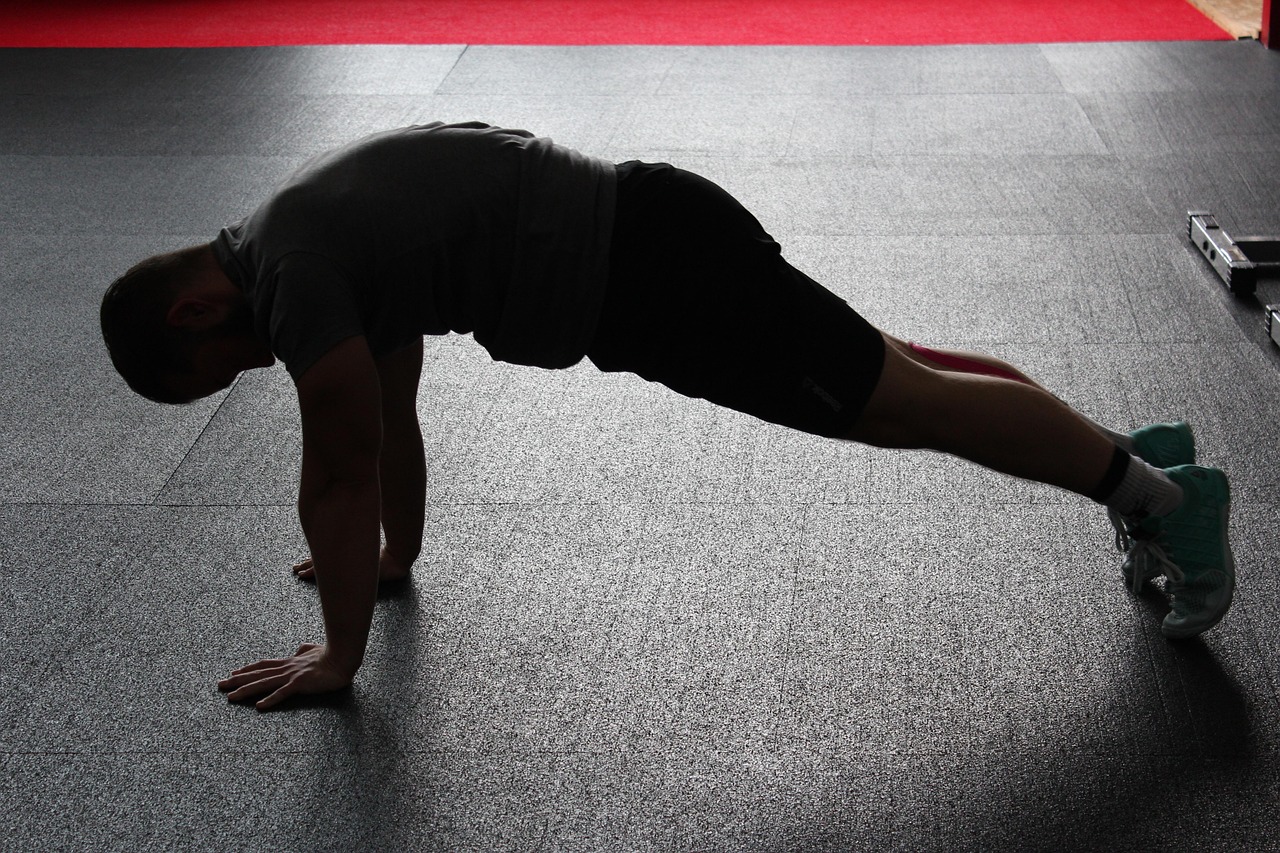
What separates elite athletes from the rest of us? While talent and dedication play a role, the science of athletic performance reveals that success is a combination of physiology, psychology, nutrition, and technology. Whether you’re a weekend warrior or an aspiring Olympian, understanding these principles can help you train smarter, recover faster, and perform better.
In this post, we’ll dive into the biological, mental, and technological factors that contribute to athletic excellence.
1. The Physiology of Athletic Performance
Athletic performance is rooted in human physiology, the study of how the body functions during exercise. Here’s how different systems contribute to athletic success:
- Muscular System:
- Muscle Fibers: Athletes have a mix of slow-twitch (Type I) and fast-twitch (Type II) muscle fibers. Endurance athletes (e.g., marathon runners) rely more on slow-twitch fibers, while sprinters and weightlifters depend on fast-twitch fibers.
- Hypertrophy: Resistance training causes micro-tears in muscle fibers, which repair and grow stronger during recovery. This process, called hypertrophy, is why athletes get bigger and stronger over time.
- Muscle Fatigue: Lactic acid buildup during intense exercise can lead to fatigue. Training helps the body clear lactic acid more efficiently and delay fatigue.
Tip: Incorporate both endurance and strength training to develop a balanced muscular system.
- Cardiovascular System:
- Heart and Lungs: Elite athletes often have larger hearts and greater lung capacity, allowing them to deliver more oxygen to muscles during exercise.
- VO₂ Max: A measure of the maximum amount of oxygen an athlete can use during intense exercise. Endurance athletes, like cyclists and runners, focus on improving their VO₂ max through high-intensity interval training (HIIT).
- Blood Flow: Efficient circulation ensures that muscles receive oxygen and nutrients while removing waste products like CO₂ and lactic acid.
Tip: Improve cardiovascular fitness with interval training and long, steady-state cardio sessions.
- Nervous System:
- Neuromuscular Coordination: The brain and nervous system play a crucial role in coordinating movements, especially in sports requiring precision (e.g., gymnastics, golf).
- Reaction Time: Athletes train to reduce reaction time through drills that improve hand-eye coordination and decision-making speed.
- Motor Learning: Repetition and practice help the brain automate movements, allowing athletes to perform complex skills without conscious thought (e.g., dribbling a basketball or serving a tennis ball).
Tip: Practice sport-specific drills to improve neuromuscular coordination and reaction time.
2. The Psychology of Athletic Performance
Mental toughness is often what separates good athletes from great ones. The psychology of sports includes:
- Motivation:
- Intrinsic Motivation: Driven by personal satisfaction and love for the sport. Athletes who are intrinsically motivated tend to perform better and enjoy their sport more.
- Extrinsic Motivation: Driven by external rewards (e.g., trophies, money, recognition). While extrinsic motivation can be powerful, it may not sustain long-term commitment like intrinsic motivation.
Tip: Focus on personal goals and enjoyment to cultivate intrinsic motivation.
- Focus and Concentration:
- Attentional Control: The ability to maintain focus despite distractions. Techniques like mindfulness and visualization help athletes stay present and perform under pressure.
- The “Zone”: A mental state of total immersion and focus, often called “flow.” Athletes describe being in the zone as effortless and automatic performance.
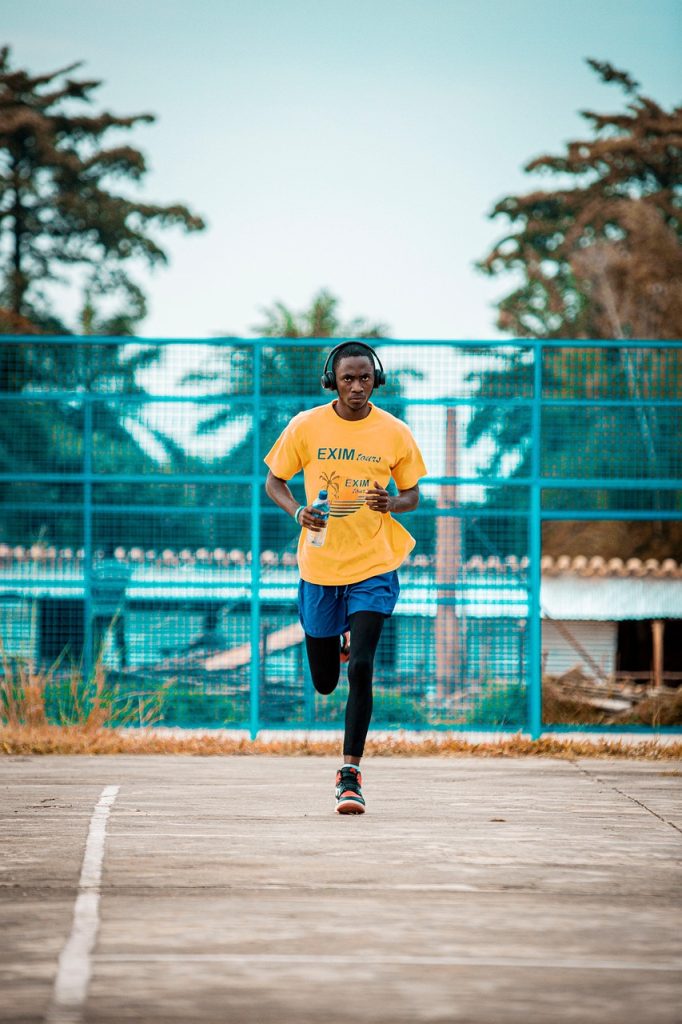
Tip: Practice meditation and breathing exercises to improve focus and enter the zone more easily.
Handling Pressure:
Stress and Anxiety: Competition can trigger fight-or-flight responses, leading to anxiety or choking. Athletes use techniques like cognitive restructuring (reframing negative thoughts) and pre-performance routines to manage stress.
Confidence: Self-belief is critical for success. Athletes build confidence through preparation, past successes, and positive self-talk.
Tip: Develop a pre-competition routine (e.g., listening to music, deep breathing) to reduce anxiety and boost confidence.
- Team Dynamics:
- Communication: Effective teams communicate clearly and support each other. Trust and cohesion are built through shared goals and experiences.
- Leadership: Strong leaders inspire and motivate their teammates, fostering a culture of accountability and resilience.
Tip: Foster teamwork by setting collective goals and celebrating small wins together.
3. Nutrition for Athletic Performance
Proper nutrition is the fuel that powers athletic performance. Athletes must balance macronutrients (carbs, proteins, fats) and micronutrients (vitamins, minerals) to optimize energy, recovery, and health.
- Carbohydrates:
- The primary fuel source for high-intensity exercise. Carbs are stored as glycogen in muscles and the liver, providing quick energy during workouts.
- Carb Loading: Endurance athletes (e.g., marathon runners) increase carb intake before events to maximize glycogen stores.
- Post-Workout Carbs: Consuming carbs after exercise replenishes glycogen and aids recovery.
Tip: Eat complex carbs (e.g., whole grains, fruits, vegetables) for sustained energy.
- Proteins:
- Essential for muscle repair and growth. Athletes need more protein than sedentary individuals to support training adaptations.
- Timing Matters: Consuming protein within 30–60 minutes post-workout maximizes muscle recovery.
- Sources: Lean meats, fish, eggs, dairy, and plant-based options like tofu and lentils are excellent protein sources.
Tip: Aim for 1.2–2.0 grams of protein per kilogram of body weight daily, depending on your training intensity.
- Fats:
- Provide long-lasting energy and support hormone production (e.g., testosterone, which aids muscle growth).
- Healthy Fats: Focus on unsaturated fats (e.g., avocados, nuts, olive oil) and avoid trans fats.
- Endurance Athletes: May benefit from fat-adapted training, where the body learns to burn fat for fuel during long, low-intensity efforts.
Tip: Include omega-3 fatty acids (e.g., salmon, flaxseeds) to reduce inflammation and support brain health.
- Hydration:
- Even mild dehydration (2% loss of body weight) can impair performance. Athletes should drink fluids before, during, and after exercise.
- Electrolytes: Sodium, potassium, and magnesium are lost through sweat and must be replenished, especially during long or intense workouts.
- Signs of Dehydration: Dark urine, fatigue, dizziness, and muscle cramps. Aim for pale yellow urine as a sign of proper hydration.
Tip: Weigh yourself before and after exercise to estimate fluid loss and replenish accordingly (16–24 oz of water per pound lost).
- Supplements:
- Creatine: Enhances strength and power by increasing phosphocreatine stores in muscles. Safe and effective for most athletes.
- Caffeine: Improves endurance and focus by stimulating the central nervous system. Best used strategically (e.g., before competition).
- Beta-Alanine: Buffers lactic acid, delaying fatigue during high-intensity exercise.
- BCAAs (Branched-Chain Amino Acids): May reduce muscle soreness and support recovery, though whole-food protein sources are usually sufficient.
Tip: Consult a sports dietitian before adding supplements to your regimen.
4. Recovery: The Key to Long-Term Performance
Recovery is just as important as training for athletic success. Without proper recovery, athletes risk overtraining, injury, and burnout.
- Active Recovery:
- Low-intensity activities like walking, swimming, or yoga promote blood flow and reduce muscle soreness without adding stress.
- Foam Rolling and Stretching: Helps release muscle tension and improve flexibility. Focus on major muscle groups and areas prone to tightness (e.g., hamstrings, hip flexors).
Tip: Schedule active recovery days into your training plan to enhance performance.
- Sleep:
- Muscle Repair: Growth hormone, released during deep sleep, aids in muscle recovery and repair.
- Cognitive Function: Sleep consolidates motor skills and memories, improving learning and performance.
- Recommendations: Aim for 7–9 hours per night, with consistency in sleep/wake times. Avoid screens before bed to improve sleep quality.
Tip: Create a bedtime routine (e.g., reading, meditation) to wind down and improve sleep quality.
- Hydrotherapy:
- Ice Baths: Reduce inflammation and muscle soreness after intense workouts. Use for 10–15 minutes at 10–15°C (50–59°F).
- Hot-Cold Contrast Therapy: Alternating between hot and cold water improves circulation and speeds recovery.
- Epsom Salt Baths: Magnesium sulfate may help relax muscles and reduce cramping.
Tip: Experiment with different recovery methods to find what works best for your body.
- Nutrition for Recovery:
- Post-Workout Meals: Combine carbs and protein (e.g., chocolate milk, a turkey sandwich) to replenish glycogen and repair muscles.
- Anti-Inflammatory Foods: Berries, leafy greens, fatty fish, and turmeric reduce inflammation and support recovery.
- Hydration: Replenish fluids and electrolytes lost during exercise to prevent cramps and fatigue.
Tip: Prepare post-workout snacks in advance to ensure you refuel promptly.
5. Technology in Athletic Performance
Advances in technology are revolutionizing how athletes train, compete, and recover:
- Wearable Tech:
- Fitness Trackers (e.g., Whoop, Garmin): Monitor heart rate, sleep, recovery, and training load to optimize performance and prevent overtraining.
- GPS and Accelerometers: Track speed, distance, and movement patterns in sports like soccer, rugby, and basketball. Used by teams to analyze player performance and reduce injury risk.
- Smart Clothing: Fabrics embedded with sensors measure muscle activity, hydration, and biomechanics in real time.
Tip: Use wearable tech to track progress and adjust training based on data.
- Biomechanics and Motion Analysis:
- 3D Motion Capture: Analyzes an athlete’s movement patterns to improve technique and reduce injury risk. Used in sports like golf, swimming, and running.
- Force Plates: Measure ground reaction forces during jumps, sprints, or lifts, helping athletes optimize power and efficiency.
- Video Analysis: Slow-motion replays and AI-powered tools (e.g., Hudl, Dartfish) break down technique for real-time feedback.
Tip: Work with a sports scientist or coach to analyze your biomechanics and refine your technique.
- Virtual Reality (VR) Training:
- Cognitive Training: VR simulates game-like scenarios to improve decision-making and reaction time (e.g., quarterbacks reading defenses, soccer players anticipating passes).
- Rehabilitation: VR is used in physical therapy to make recovery engaging and track progress.
- Mental Preparation: Athletes use VR to visualize competition and reduce anxiety.
Tip: Explore VR training programs for sport-specific skill development.
- Genetics and Personalized Training:
- DNA Testing: Companies like 23andMe and Athletigen analyze genetic markers related to muscle composition, injury risk, and recovery speed. Athletes use this data to customize training and nutrition plans.
- Epigenetics: Studies how environment and lifestyle influence gene expression. For example, endurance training can “turn on” genes that enhance aerobic capacity.
- Future Potential: As genetic research advances, we may see gene therapies to enhance performance or prevent injuries, though ethical considerations remain.
Tip: Consider genetic testing to tailor your training, but remember that environment and effort play huge roles in success.
6. Injuries: Prevention and Rehabilitation
Injuries are an inevitable part of sports, but their risk can be minimized, and recovery can be optimized:
- Common Sports Injuries:
- Sprains and Strains: Ligament (sprain) or muscle/tendon (strain) injuries, often from overuse or sudden movements. Examples: ACL tears (knee), hamstring strains, ankle sprains.
- Stress Fractures: Tiny cracks in bones from repetitive impact (e.g., running, jumping). Common in shins, feet, and hips.
- Tendinitis: Inflammation of tendons from overuse (e.g., tennis elbow, Achilles tendinitis).
- Concussions: Traumatic brain injuries from impacts or collisions, common in contact sports like football and rugby.
Tip: Warm up properly and listen to your body to avoid overuse injuries.
- Injury Prevention:
- Strength Training: Strengthens muscles and joints to withstand impact and reduce injury risk. Focus on core stability and balanced muscle development.
- Flexibility and Mobility: Dynamic stretching before activity and static stretching after improves range of motion and reduces stiffness.
- Proper Technique: Poor form is a leading cause of injury. Work with a coach or trainer to refine your technique.
- Gradual Progression: Avoid sudden increases in training volume or intensity. Follow the 10% rule (increase training load by no more than 10% per week).
Tip: Incorporate plyometrics and balance exercises to improve stability and reduce injury risk.
- Rehabilitation:
- RICE Protocol: Rest, Ice, Compression, and Elevation for acute injuries (e.g., sprains).
- Physical Therapy: A structured rehab program helps restore strength, mobility, and function. Includes exercises like resistance training, proprioception drills, and neuromuscular re-education.
- Mental Recovery: Injuries can be psychologically challenging. Athletes benefit from goal-setting, visualization, and support from sports psychologists.
- Return-to-Play Protocols: Gradual progression back to sport, with medical clearance and functional testing to ensure readiness.
Tip: Follow your rehab plan diligently and avoid rushing back to avoid re-injury.
7. The Role of Coaches and Support Teams
Behind every great athlete is a team of coaches, trainers, and specialists who provide guidance, support, and expertise:
- Coaches:
- Develop training programs tailored to the athlete’s goals, strengths, and weaknesses.
- Provide technical instruction and tactical strategies for competition.
- Foster a culture of excellence, accountability, and teamwork.
Tip: Build a trusting relationship with your coach to maximize your potential.
- Strength and Conditioning Coaches:
- Design sport-specific strength and conditioning programs to enhance performance and reduce injury risk.
- Focus on functional movements that mimic the demands of the sport.
- Monitor training load and recovery to prevent overtraining.
Tip: Communicate openly with your strength coach about fatigue, soreness, and progress.
- Sports Psychologists:
- Help athletes develop mental skills like focus, confidence, and resilience.
- Use techniques like visualization, goal-setting, and cognitive-behavioral strategies to manage stress and improve performance.
- Address performance anxiety, motivation issues, and team dynamics.
Tip: Work with a sports psychologist to build mental toughness and overcome mental blocks.
- Nutritionists and Dietitians:
- Create personalized nutrition plans to fuel training, optimize recovery, and maintain health.
- Educate athletes on hydration, supplementation, and meal timing.
- Address disordered eating and body image concerns, especially in sports with weight classes or aesthetic components (e.g., gymnastics, wrestling).
Tip: Track your food intake and energy levels to fine-tune your nutrition plan.
- Physiotherapists and Athletic Trainers:
- Assess and treat injuries and movement dysfunctions.
- Design rehabilitation and prehab (preventive) programs.
- Use manual therapy, taping, and modalities (e.g., ultrasound, electrical stimulation) to speed recovery.
Tip: Schedule regular movement screens with your physiotherapist to identify and address imbalances.
8. The Mindset of a Champion
Elite athletes share common mental traits that set them apart:
- Growth Mindset:
- Believe that abilities can be developed through hard work and learning.
- View challenges as opportunities to grow rather than threats.
- Embrace failure as feedback and a chance to improve.
Tip: Adopt a growth mindset by focusing on progress, not perfection.
- Resilience:
- Bounce back from setbacks, injuries, and losses with determination.
- Use adversity as motivation to train harder and smarter.
- Develop coping strategies (e.g., mindfulness, social support) to manage stress.
Tip: Reflect on past challenges and identify lessons learned to build resilience.
- Goal Setting:
- Set SMART goals (Specific, Measurable, Achievable, Relevant, Time-bound).
- Break long-term goals into smaller, manageable steps.
- Celebrate small wins to stay motivated and track progress.
Tip: Write down your goals and review them regularly to stay on track.
- Visualization:
- Mentally rehearse skills, strategies, and successful outcomes.
- Use all senses (sight, sound, touch) to make visualizations more vivid.
- Combine with physical practice for maximum effectiveness.
Tip: Spend 5–10 minutes daily visualizing your performance and success.
- Routine and Rituals:
- Pre-competition routines reduce anxiety and create a sense of control.
- Post-competition rituals (e.g., journaling, debriefing with a coach) help process performances and identify improvements.
- Daily habits (e.g., morning stretches, nutrition prep) build consistency and discipline.
Tip: Develop a pre-game routine that prepares you physically and mentally.
9. The Future of Athletic Performance
The world of sports is constantly evolving, with new technologies, training methods, and scientific insights shaping the future:
- AI and Machine Learning:
- AI analyzes vast amounts of data (e.g., player stats, biomechanics, opponent tendencies) to optimize training and game strategies.
- Predictive analytics identify injury risks and performance trends.
- Virtual coaches provide real-time feedback and personalized training plans.
Tip: Embrace data-driven training to gain a competitive edge.
- Biotechnology:
- Gene editing (CRISPR) may one day allow athletes to enhance muscle growth or recovery, though ethical concerns remain.
- Exoskeletons assist with rehabilitation and performance enhancement, enabling athletes to train harder and recover faster.
- Neurostimulation (e.g., transcranial direct current stimulation) could improve focus, reaction time, and motor learning.
Tip: Stay informed about emerging technologies and their potential impact on sports.
- Sustainability in Sports:
- Eco-friendly stadiums (e.g., solar-powered, zero-waste) reduce the environmental impact of sports.
- Sustainable sportswear (e.g., recycled materials, biodegradable fabrics) is gaining popularity.
- Athlete activism raises awareness about climate change and social justice, using sports as a platform for positive change.
Tip: Support sustainable brands and initiatives in sports to contribute to a greener future.
Conclusion: The Art and Science of Athletic Performance
Athletic performance is a blend of physiology, psychology, nutrition, and technology. By understanding the science behind training, recovery, and competition, athletes can optimize their performance, prevent injuries, and achieve their goals.
Whether you’re a weekend warrior, a competitive athlete, or simply someone who loves sports, applying these principles can help you train smarter, perform better, and enjoy the journey. The pursuit of excellence is a lifelong process, and every step forward—no matter how small—brings you closer to your potential.